

A Home Workout Plan You Can Return To
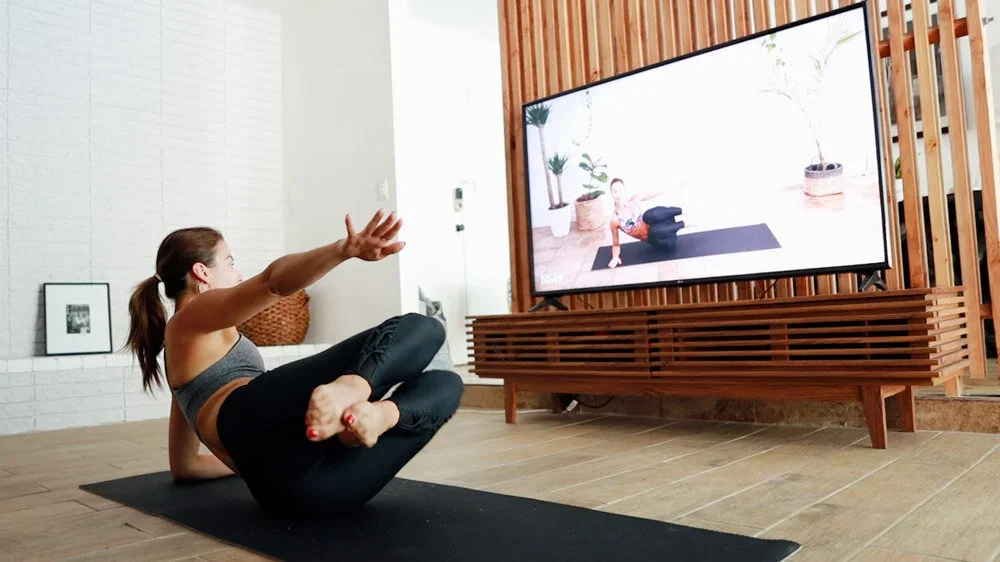
Photograph: Ed Gregory. Original Dance Toned image.
You have found a workout you like. You know where to put your screen, and the first session felt worth making time for. Then the next week arrives with a late meeting, a changed school run or a pile of things you did not expect.
That is the moment a useful plan needs to do more than look good in your calendar. It needs to help you decide what happens next.
If you are still choosing your first at-home workout, start there. Once you have an option that suits you, turn your attention to making room for it again. You can build a practical plan around the week you actually have, with a way to adjust when that week changes.
Start with appointments you can explain
Open your calendar and look for space you can realistically use. Include the time to get ready, clear the area and finish without rushing straight into something else. A gap on a screen is not always a usable workout appointment.
Be specific about your next opportunity. For example: “After I finish work on Tuesday, I will change, move the coffee table and start the session I saved.” This is an example to adapt, not a recommended exercise schedule. Your available time, starting point and activity needs may be different.
Choose an appointment because it fits, rather than because mornings are supposed to be better or somebody else trains every day. If evenings regularly get interrupted, notice that now. You might have a more workable opening elsewhere in the week.
A calendar entry is only one part of a wider activity routine. The CDC's adult activity guidance includes at least 150 minutes of moderate-intensity aerobic activity, or an equivalent amount of vigorous activity, plus muscle-strengthening activity on at least two days each week. Activity can be spread across the week in smaller amounts. A few appointments are a starting plan, not proof that every recommendation is met.
Leave yourself fewer decisions at the start
Picture the first few minutes of your appointment. What will you need to find, move or choose before you can begin?
Save the session you intend to follow. Check its level, duration, space and equipment requirements beforehand. Put any equipment away safely between sessions, then know where to find it next time. Charge the device you use and choose a screen position you can see comfortably.

Original Dance Toned workout photograph. Choose the session before your planned starting time.
You do not need a dedicated room or a perfect setup. You do need enough clear space for the activity you choose. If setting up takes longer than expected, include that time in the next appointment instead of pretending it does not count.
Keep a familiar option available, too. Trying something new can be enjoyable, but every workout does not need to begin with a long search. Returning to a session you understand gives you one less choice to make that day.
Decide what an adjustment could look like
Before the week gets busy, think about the interruption most likely to affect your plan. Then choose a practical response.
Perhaps you planned a session after work, but a call sometimes runs late. Your alternative might be to move the appointment to another available day. If less time remains, you could choose a shorter session whose level and requirements suit you. Shorter does not automatically mean easier, and there is no need to rush a longer class to squeeze it in.
Write your plan in plain language:
My next workout appointment is Thursday after work.
I will follow the familiar session I have already saved.
If work runs late, I will check Friday's available time before choosing a new appointment.
If neither opening works, I will review the next realistic opportunity.
This is a planning example, not an instruction to exercise through illness, pain or exhaustion. An alternative can include rest. Choose activity appropriate to your circumstances, and seek individual advice when a health concern affects your choices.
Return without turning a missed session into a debt
A missed appointment gives you information. It might show that the time was unrealistic, the setup was awkward or another responsibility needed your attention. It does not require a punishment workout.
Rather than automatically doubling your next session, look at what is appropriate now. Keep the next decision manageable: choose an activity and time that fit your current circumstances.

Photograph: Ed Gregory. Original Dance Toned image. A pictured movement is not a recommendation for every reader.
You can also change the plan itself. If the same appointment keeps falling through, moving it may be more useful than repeatedly promising to try harder. If you dread the session you selected, consider what you would prefer about another suitable option: the pace, presentation or format.
Review what made returning easier
At the end of the week, make a brief note of what happened. Record the activity you did and how it fitted your day. Include useful details such as “needed more setup time” or “liked having the video chosen already.”
NIDDK's advice on changing habits recommends reviewing goals, recording progress and preparing for roadblocks. Use your notes to make a practical adjustment for the next week.
Keep the review kind and specific. You are looking for a workable next step, not grading your character. Leave yourself one clear appointment and one activity you are interested in returning to.
If follow-along workouts appeal to you, explore the Dance Toned experience and consider how it could fit your available time and preferences. Then put your next opportunity into your calendar. A useful routine gives you somewhere to return when the week changes.
Images are original Dance Toned website photographs, reused with permission and without AI alteration.