

What Counts as Strength Work in a Home Workout?
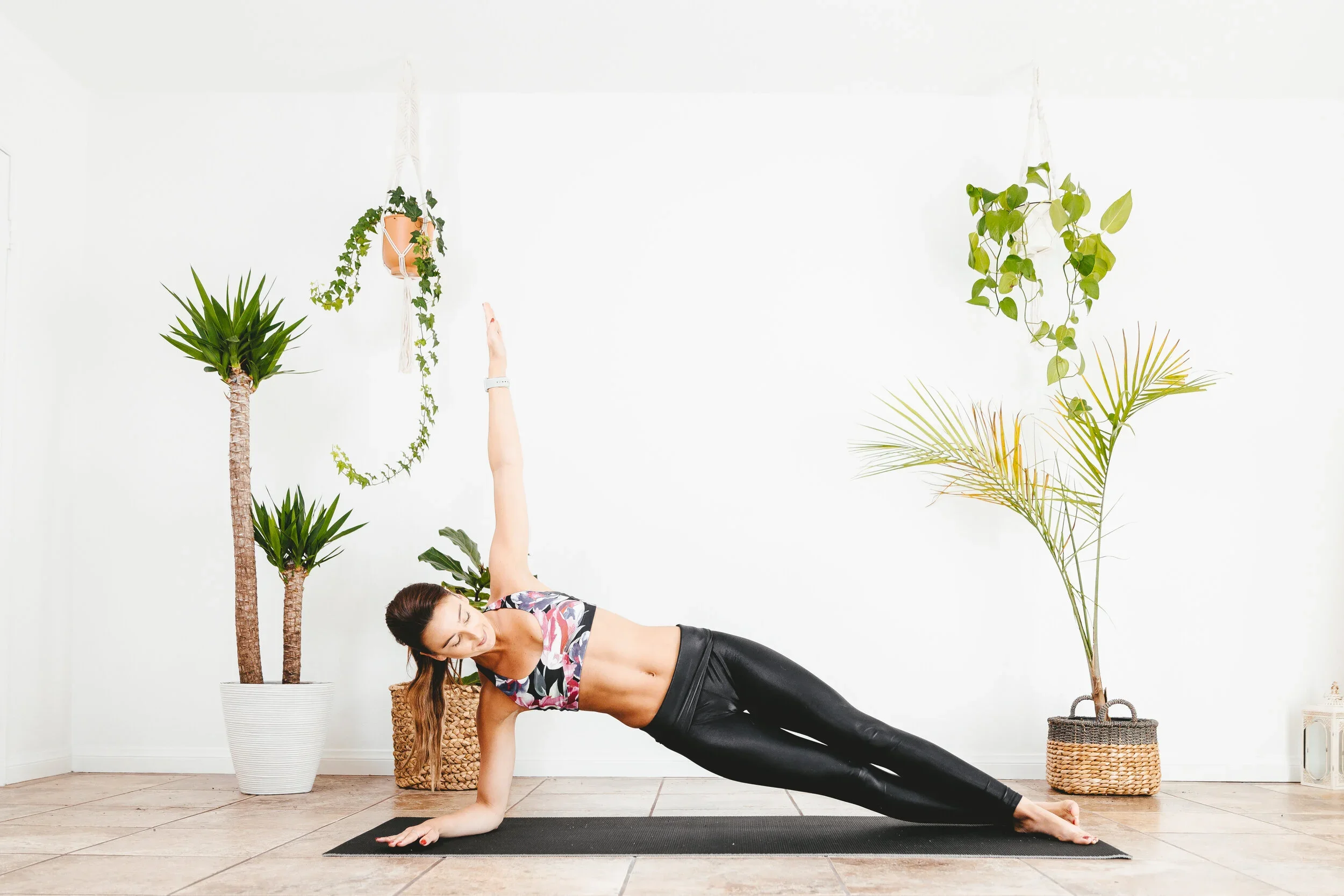
Photograph: Ed Gregory. Original Dance Toned image. The pictured movement is not a recommendation for every reader.
You open a workout and see words such as “core”, “sculpt” or “full body”. They give you somewhere to start, but they do not tell you everything about the work ahead. A quick pace, a short running time and an impressive thumbnail can all draw your attention before you know what the session actually involves.
If your aim is to include strength work at home, look a little further. Ask what your muscles will be doing, which parts of the body the session covers and whether the instructions suit your starting point. Those questions are more useful than trying to choose the class that looks hardest.
Understand the work behind the label
The NHS explanation of strength exercise describes activity that asks your muscles to work harder than usual. That can involve your own body weight or another form of resistance. Strength work does not have to begin with a room full of weights.
Resistance gives your muscles something to work against. The equipment list alone cannot tell you how demanding a session will be for you. A bodyweight movement can be challenging, and adding equipment does not automatically make a class a better match. Read how the session is taught and what it expects you to do.
Think about a workout description that promises a short “core blast”. It tells you the focus and perhaps the duration. It has not yet told you whether there are floor positions, how the movements are explained or which starting level is intended. Treat the label as an introduction, then look for the information that helps you make a considered choice.
Give core work its proper place
A session focused on your abdomen may be one part of your activity choices. It should not be mistaken for coverage of every major muscle group simply because it feels demanding.
The CDC's muscle-strengthening guidance includes the legs, hips, back, chest, abdomen, shoulders and arms, with strengthening activity on at least two days a week. It lists bodyweight exercises, weights and resistance bands among the possible activities. The broader picture includes more than one area of the body.
That distinction matters when you browse. Several videos with different names may still concentrate on the same area. Conversely, a session described as full body needs a closer look before you assume it covers every requirement. A title is not an assessment of the activity you actually perform.
You do not have to turn browsing into an anatomy exam. Start by noticing whether your choices repeatedly return to one focus. If you are unsure how to build a balanced programme for your circumstances, a qualified exercise professional can help you make those decisions. A thumbnail or a general article cannot provide that individual assessment.

Original Dance Toned workout photograph. A session's format and instructions matter alongside its name.
Separate muscular effort from the pace of the video
An energetic presentation can be enjoyable. It is still worth asking a separate question: what is the session asking your muscles to do?
CDC guidance distinguishes aerobic activity from muscle strengthening. Getting out of breath tells you something about the effort you are experiencing; it does not, by itself, show that you have worked every major muscle group. Likewise, counting how many minutes a video lasts does not establish what its strength component provides.
Instead of using speed as your main filter, preview the explanation. Can you understand the setup before the movement begins? Does the instructor give you enough information to follow the intended action? Are any alternatives explained clearly, or would you need individual help to find an appropriate option?
These are questions about instruction and fit, not a test you need to pass. If the pace leaves you guessing, choose something you can follow more clearly. Pausing to understand a session is a sensible part of choosing it.
Choose a starting point you can work with
The NHS advises starting gradually and building up over weeks. You do not need to copy the most advanced version of a movement to justify beginning.
Check the stated level, positions and equipment before deciding that a workout suits you. Pay particular attention to floor-based sessions if getting down and up, or supporting yourself in a particular position, is difficult. The photograph accompanying this article shows a company workout; it does not establish that the movement is appropriate for you.
Ask a health professional for advice when a health condition or other concern affects your activity choices. Do not use a general label such as “beginner” as a substitute for that guidance, and do not keep going through pain to match what is happening on a screen.
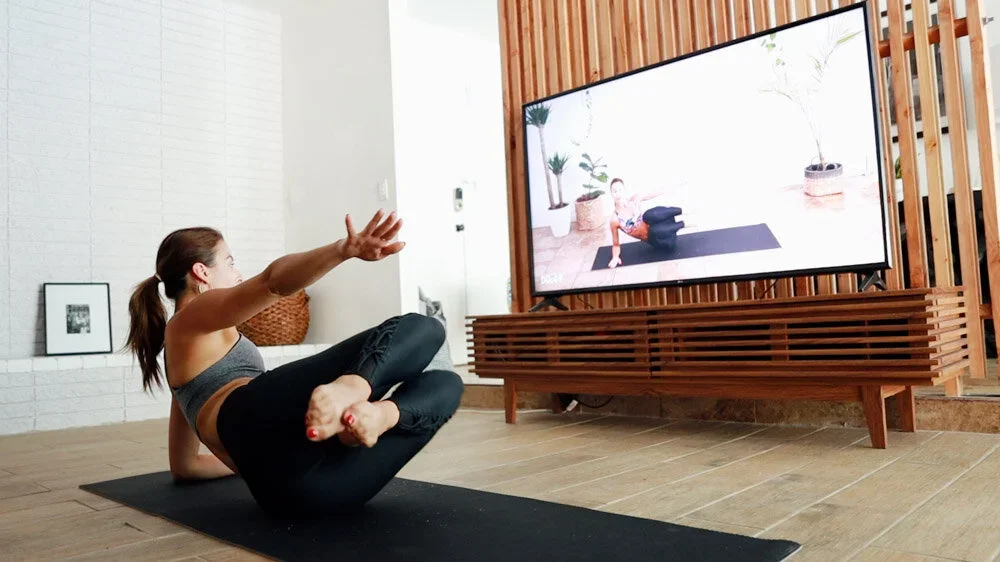
Photograph: Ed Gregory. Original Dance Toned image. Preview the instructions as well as the workout description.
Leave with a clearer picture of your routine
After a session, make a few practical notes:
What was the main focus of the work?
Which instructions could I follow clearly?
Were there positions or requirements I need help to adapt?
Am I choosing a range of activity, or repeatedly selecting the same focus?
Use those answers when you browse again. For the timing side, build a home workout plan you can return to. For the workout itself, explore the Dance Toned experience and look closely at the available descriptions and teaching style. A useful next choice begins with understanding the work, rather than judging a session by its name alone.
Images are original Dance Toned website photographs, reused with permission and without AI alteration.